Unleashing the Power: A Comprehensive Guide to VR6 Jetta Engines
The VR6 engine represents a remarkable blend of powerful learn the details performance and compact engineering. Its unique engineering attracts performance enthusiasts and casual drivers alike. As a wealth of aftermarket enhancements exists, many owners seek ways to improve their vehicle's overall performance. Gaining insight into key tuning methods and frequent maintenance concerns can significantly influence durability and output. As the topic develops, the many pathways to maximizing the VR6's capabilities will become increasingly clear.
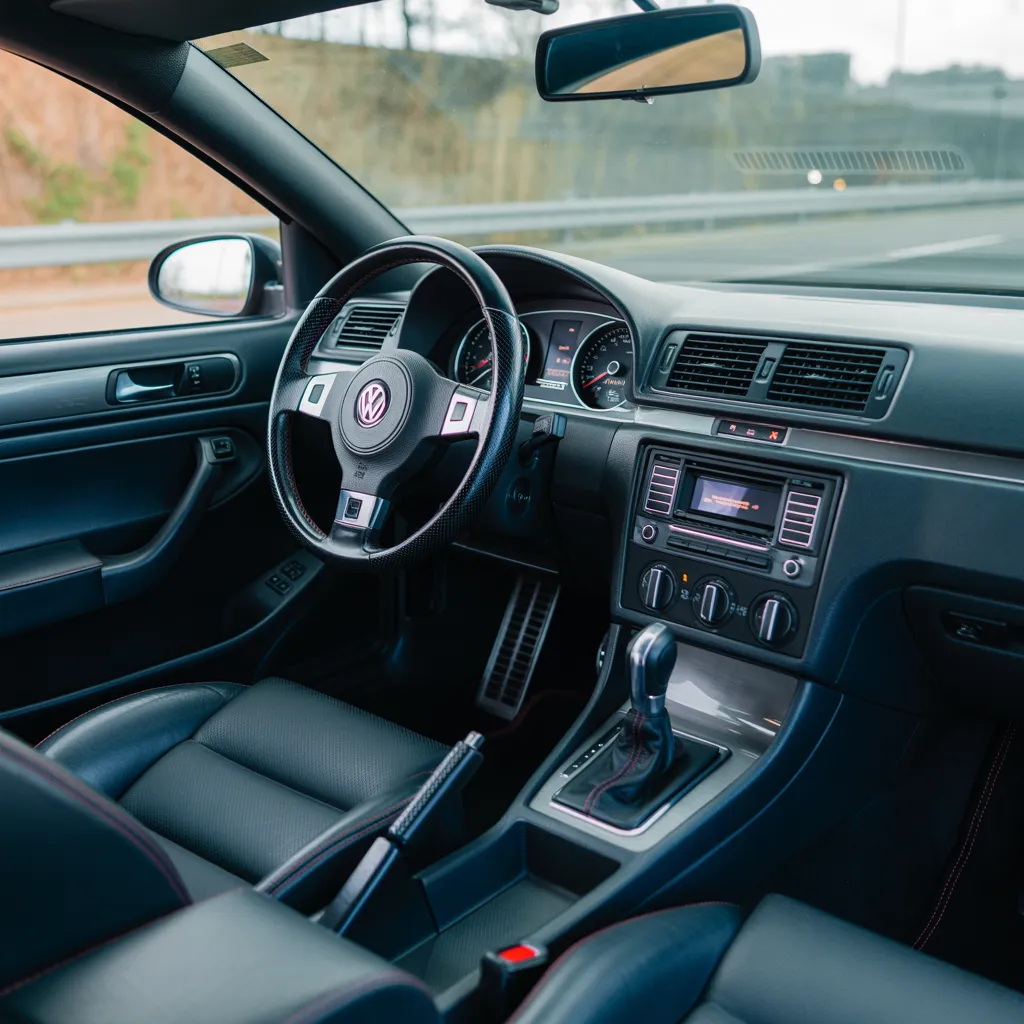
The Remarkable Engineering of the VR6 Engine
The VR6 engine distinguishes itself in automotive engineering because of its groundbreaking design that integrates the features of both V-type and inline layouts. This unique layout permits the VR6 to remain compact while producing impressive performance. The engine features a compact V-angle layout, which enables a reduced engine length in contrast to traditional V engines. This compactness allows for easier installation in multiple vehicle applications, especially in the Jetta.
Furthermore, the VR6 features a solitary cylinder head, streamlining the design and reducing weight. Its design results in seamless operation and reduced vibration, improving the overall driving experience. The engine routinely uses a unique firing order that creates its distinctive sound, attracting automotive enthusiasts. All in all, the VR6 engine showcases ingenious engineering, maintaining equilibrium between performance, efficiency, and space-conscious construction, rendering it an outstanding option for numerous automotive applications.
What Are the Benefits of Upgrading Your VR6 Jetta
Upgrading a VR6 Jetta can greatly elevate both handling and performance characteristics. Enthusiasts often look for advancements in handling, power output, and efficiency. The VR6 engine, known for its exceptional smoothness and innovative architecture, delivers a solid foundation for such improvements. Enhancements can produce impressive boosts in performance output, resulting in improved acceleration and a more exciting ride.
Additionally, modifications can improve the car's responsiveness and agility, providing a more engaging drive in different driving situations. A properly tuned VR6 Jetta can additionally reach greater fuel efficiency, promoting a balance between efficiency and capability.
Additionally, enhancing systems such as the suspension, brakes, and exhaust system can transform the vehicle's dynamics, providing a more rewarding driving experience. Ultimately, these modifications not only improve overall performance but also increase the vehicle's value and appeal to current owners and future buyers, making these enhancements a valuable choice.
Essential Aftermarket Upgrades for VR6 Performance
Boosting VR6 horsepower generally kicks off with carefully chosen aftermarket improvements that improve performance. Among the most effective upgrades is a high-performance intake system, which facilitates increased airflow, optimizing combustion efficiency. Paired alongside a performance exhaust system, this pairing not only increases power but also provides a more powerful sound.
One other well-known upgrade is the fitting of a performance chip or ECU remap, which fine-tunes engine parameters for better horsepower and torque. Enhancing the ignition system with high-performance coils and spark plugs can also produce considerable benefits, guaranteeing optimal combustion.
For drivers aiming to upgrade handling in addition to performance, upgraded suspension components, like coilovers and stabilizer bars, are essential. Additionally, lightweight rims decrease unsprung mass, improving both acceleration and braking. As a whole, these critical upgrades provide a balanced method of unlocking the full potential of the VR6 engine.
Essential Calibration Methods for Maximizing VR6 Output
Tuning the VR6 engine demands a methodical approach to achieve its full potential output. Key techniques include optimizing the combustion mixture through recalibrating the ECU, which boosts throttle sensitivity and total power output. Replacing the intake and exhaust systems can substantially improve airflow, permitting the engine to draw in more air and function more effectively at elevated RPM ranges.
Adding a tuning chip can calibrate ignition timing and fuel delivery, maximizing engine power and fuel efficiency. In addition, routine upkeep of parts including ignition coils and firing components ensures that the engine runs smoothly, avoiding power loss.
Purchasing a premium intercooler is essential for enthusiasts wanting to optimize forced induction setups, as it works to preserve proper intake temperatures. Furthermore, utilizing a dyno for precise tuning allows for real-time adjustments, assuring that the engine operates at its best across various driving conditions. These critical techniques collectively enhance the VR6's overall performance.
Resolving Typical Issues in VR6 Engines
Within VR6 engines, timing chain tensioner failures and intake manifold problems are among the most prevalent issues observed. When not resolved in a timely manner, these concerns can cause substantial performance deterioration and serious engine damage. Understanding their causes and solutions is essential for maintaining peak engine function.
Problems with the Timing Chain Tensioner
Timing chain tensioner problems commonly occur in VR6 engines, resulting in potential performance issues and costly repairs. These issues often stem from wear or failure of the tensioner, which can result in inadequate chain tension. A malfunctioning tensioner may cause the timing chain to shake or emit strange sounds, indicating that the chain may not be correctly positioned. If left unaddressed, this can lead to severe engine damage, including warped valves or catastrophic engine failure. Regular inspections and timely replacements of the timing chain tensioner can help mitigate these risks. Those who own VR6 engines should keep alert for symptoms of tensioner failure to guarantee peak performance and longevity of their vehicles.
Intake Manifold Issues
Intake manifold complications can considerably impact the efficiency and performance of VR6 engines. Common problems include vacuum leaks, which can cause erratic idling and decreased fuel efficiency. Additionally, the structure of the intake manifold can generate uneven airflow distribution, causing power loss and rough engine performance. Over time, carbon buildup can also obstruct airflow, progressively worsening engine efficiency. Routine inspections are critical to identify these issues early. Replacing damaged or degraded components can bring back maximum performance levels. Furthermore, upgrading to aftermarket intake manifolds may optimize airflow and elevate horsepower output. Addressing these concerns guarantees that the VR6 engine functions reliably, maintaining its reputation for power and reliability.
Essential Maintenance Tips for Your VR6
Caring for a VR6 engine requires attention to a number of critical elements to ensure maximum efficiency and durability. Routine oil changes are critical, with synthetic oil advised to meet the engine's performance needs. Checking coolant levels and ensuring that the system is free of leaks will protect against thermal buildup, a prevalent challenge in VR6 engines.
Additionally, the timing chain and tensioner ought to be examined on a regular basis, as defects can contribute to severe engine damage. Renewing the air filter periodically guarantees maximum airflow and performance.
Inspecting the spark plugs and ignition coils is vital for maintaining optimal combustion efficiency. Tire pressure and alignment should never be ignored, as they also impact overall engine efficiency.
Ultimately, utilizing a high-quality fuel additive can help clean fuel injectors and improve overall efficiency. By adhering to these preventative maintenance tips, owners are able to experience the full capability of their VR6 engines while limiting unforeseen complications.
Comparing VR6 Performance With Other Engine Types
Although numerous engine configurations provide unique benefits, the VR6 distinguishes itself for its unique combination of power and compact design. This engine configuration delivers a robust power band, generating impressive torque and horsepower, which improves driver engagement in the Jetta. When compared to inline-four engines, the VR6 typically offers smoother acceleration and a more engaging sound, attracting enthusiasts.
In contrast to conventional V6 engines, the VR6's narrower design enables greater versatility in vehicle layouts, leading to improved handling dynamics. Turbo engines, despite frequently producing greater peak output, often lack the consistent power output associated with the VR6, which tends to be more rewarding in routine driving conditions.
All things considered, the VR6 engine strikes a balance between capability and efficiency, making it a persuasive selection for those seeking a spirited driving experience without sacrificing packaging and design effectiveness.
Frequently Asked Questions
What Is the History Behind the VR6 Engine Design?
The VR6 engine design originated in the late 1980s, introduced by Volkswagen. It brought together the strengths of a V6 and inline engine, providing compact dimensions while delivering smooth operation and powerful performance across various models.
How Does the VR6 Engine Measure Up to Turbocharged Engines?
The VR6 engine provides a unique combination of strength and fluidity, generally providing a more linear power delivery compared to turbocharged engines, which are known to deliver power in sudden spurts, resulting in a notably different driving feel.
What Is the Average Lifespan of a VR6 Engine?
The average lifespan of a VR6 engine typically ranges between one hundred fifty thousand to two hundred thousand miles, depending on upkeep and road conditions. Adequate servicing can substantially increase its service life and total performance endurance.
Do VR6 Engines Have Any Specific Oil Recommendations?
VR6 engines are known to thrive on top-grade synthetic lubricants, specifically those rated at 0W-40 or 5W-40. Following manufacturer specifications and performing routine oil changes provide maximum efficiency and durability for these engines.
Which Fuel Types Are Best for Enhancing VR6 Performance?
In order to optimize VR6 power output, premium unleaded fuel with an octane level of 91 or greater is advised. This type of fuel improves combustion performance, improving power output and total engine performance, essential for performance-oriented driving.