Broad Variety of Auto Parts Online – Shop Smart
Purchasing car components online offers a convenient presentation solution for vehicle owners. The extensive range of brands and products permits informed selections. Convenience is a major benefit as it removes the limitations of physical stores. Additionally, detailed product specifications and customer reviews assist with decision-making. Nonetheless, navigating this large marketplace requires careful thought about various factors. Understanding these aspects can greatly influence the shopping experience and guarantee satisfaction. What ought one to prioritize when making such choices?
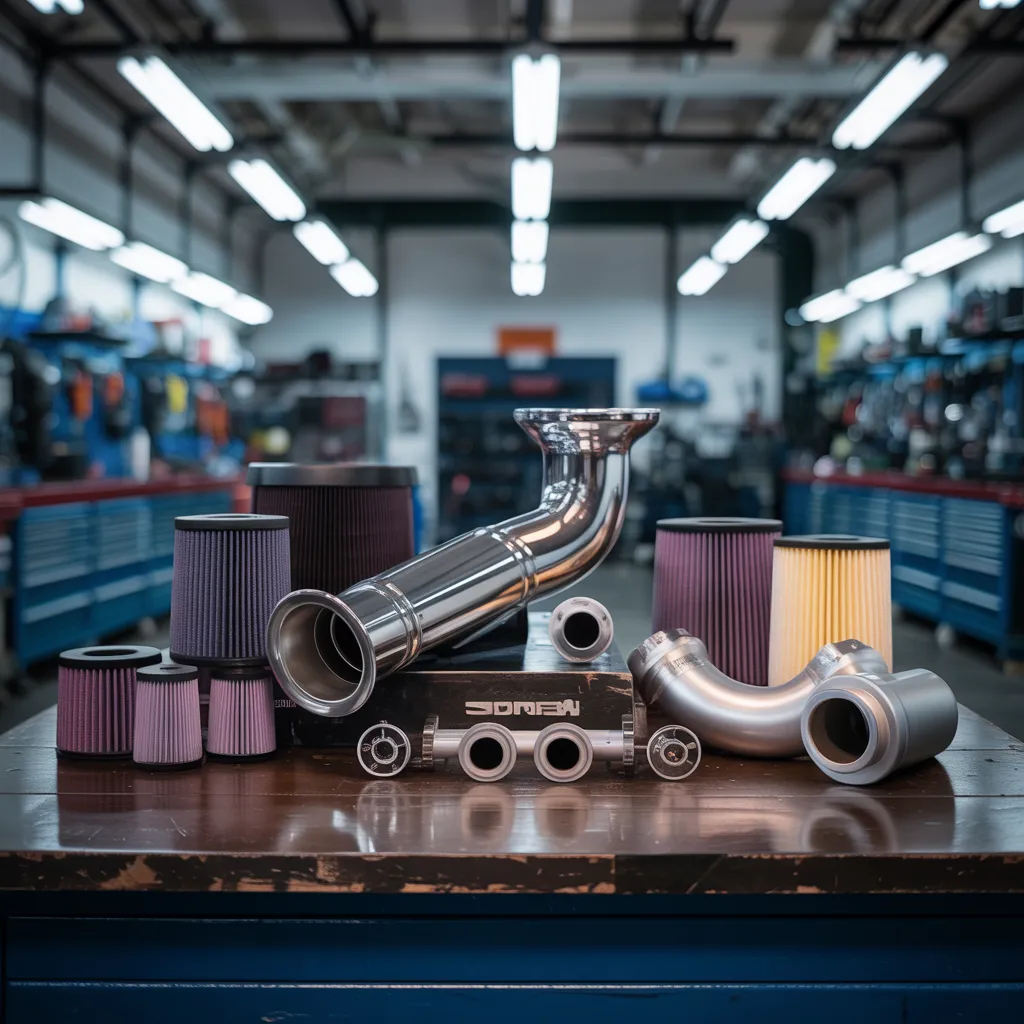
The Pros of Shopping Auto Parts via the Internet
Shopping for auto parts online offers many benefits, especially for those seeking convenience and effectiveness. One significant benefit is the extensive selection available, allowing consumers to browse a wide range of brands and products without the constraints of physical store inventory. This diversity enables customers to compare prices, read reviews, and assess compatibility with their vehicles from the comfort of their homes.
Additionally, online shopping gets rid of the need for time-consuming trips to local stores. With just a few clicks, consumers can have parts delivered directly to their doorstep, avoiding traffic and long wait times. Many online retailers also provide detailed descriptions and installation guides, enhancing the buying experience.
Furthermore, the budget-friendly pricing usually found online can produce meaningful savings. Discounts, special deals, and user-friendly search tools empower consumers to make sound decisions. Overall, shopping for auto parts online streamlines the process, making it a smart choice for many vehicle owners.
Guide to Locate the Best Auto Parts for Your Vehicle
Finding the best auto parts for a vehicle requires careful consideration and review. Vehicle owners should begin by identifying the specific parts needed, which can often be found in the owner’s manual or by consulting a trusted mechanic. After that, it is crucial to record the vehicle's make, model, and year, as these specifications considerably affect compatibility.
Using internet databases and component lookup tools can make easier this process, providing alternatives that fit the vehicle's details. Additionally, customers should check the standard of the parts, opting for well-known brands or OEM (Original Equipment Manufacturer) parts when possible. Reviews and ratings from other buyers can also give insights into effectiveness and sturdiness.
Finally, seeking guidance from automotive experts can help resolve any uncertainties. By following these steps, vehicle owners can ensure they select the right parts, ultimately improving vehicle functionality and longevity.
How to Efficiently Contrast Prices for Auto Parts
When seeking to compare prices for vehicle parts, a organized approach can deliver the best results. First, it is important to identify the precise parts needed, as this helps narrow down options. Using online platforms that specialize in auto parts grants quick access to multiple retailers.
Next, buyers should create a list of prospective suppliers and write down their prices for the identical parts. This analysis can be simplified by using cost comparison websites, which aggregate data from multiple sources.
Additionally, checking customer reviews can provide insights into the dependability and quality of the parts. It’s beneficial to evaluate any existing price reductions, promotions, or bulk buying choices that may reduce costs.
Lastly, keeping track of seasonal sales or clearance events can lead to significant savings. By following these steps, one can make informed decisions and guarantee they are getting the best value for their auto parts.
Understanding Shipping and Refund Policies
Shipping and return policies are vital elements to take into account when buying auto parts online. Comprehending the multiple shipping choices offered can influence delivery schedules and costs, while a clear overview of the return process ensures confidence for buyers. This section will explain these aspects to help consumers make informed decisions.
A Overview to Shipping Choices Outlined
Navigating the range of delivery methods for auto parts is vital for a hassle-free purchasing experience. Many online retailers offer several shipping methods, including standard, expedited, and same-day delivery. Standard shipping is typically the most economical, while expedited options address urgent needs, often arriving within one to three days. Some retailers may also offer free shipping on orders above a certain amount, boosting the overall value for customers. Additionally, tracking options are commonly available, allowing consumers to monitor their shipments in real time. Understanding these choices helps buyers select the most fitting option based on their urgency and budget, ensuring timely receipt of essential auto parts without unnecessary complications.
A Complete Guide of the Refund Process
Knowing the return process is important for anyone ordering auto parts online, as it directly affects customer satisfaction. Each retailer typically sets out clear return policies, including windows for returns and conditions that parts must meet to be qualified for refunds or exchanges. Customers should familiarize themselves with these policies before making a purchase. Usually, a return authorization may be needed, and items must be sent back in their original condition and packaging. Also, shipping costs for returns may fall on the buyer unless otherwise noted. Following these guidelines can simplify the return process, making it easier for customers to fix issues and enhancing their overall shopping experience.
Assessing Car Parts Suppliers: What to Look For
When checking out auto parts sellers, potential buyers should emphasize a few important factors to guarantee a pleasant purchase experience. First, the standing of the seller is of utmost importance; reviews and ratings from previous customers can provide insight into trustworthiness and service quality. Second, the availability of a extensive variety of parts is essential, as it indicates that the seller can address diverse needs.
Next, transparent costing is critical; hidden fees can lead to unexpected costs that reduce the value of a purchase. Additionally, a straightforward return policy is significant, allowing buyers to return parts that are defective or incorrect.
Lastly, customer support must be easily accessible, ensuring buyers can resolve issues without delay. By concentrating on these factors, buyers can make informed decisions and pick car parts dealers that boost their purchasing journey.
Top Tools Every DIY Auto Enthusiast Needs
A comprehensive toolkit is necessary for anyone engaging in DIY auto repairs. Important tools include a sturdy set of wrenches and sockets, essential for loosening and tightening bolts. A torque wrench is necessary, guaranteeing that fasteners are fastened correctly according to manufacturer guidelines. Pliers and screwdrivers in various sizes help handling various components, while a jack and jack stands offer safe access to undercarriage areas.
Additionally, an oil filter wrench makes oil changes smoother, and a electrical multimeter is invaluable for diagnosing electrical issues. A set of automotive gloves protects hands while providing a better grip on tools. Finally, a repair manual specific to the vehicle can offer guidance on procedures and specifications. By having these essential tools on hand, DIY enthusiasts will be better prepared to tackle a range of auto repairs effectively and securely.
How can you make sure top quality is maintained when purchasing car components online?
Preparing a toolkit with the correct tools equips DIY enthusiasts for efficient auto repairs, but confirming the quality of auto parts purchased online is just as important. To ensure quality, buyers should begin by researching reliable suppliers known for their trustworthiness and customer service. Reading customer reviews and ratings can offer insights into the experiences of past customers. Additionally, verifying that parts comply with OEM (Original Equipment Manufacturer) specifications confirms compatibility and durability.
Buyers must also consider the warranties or guarantees offered by sellers, as these often serve as evidence of product quality. Employing online forums and community recommendations helps the discovery of trusted brands and products. In the end, comparing prices across various platforms can help avoid overpaying for low-quality items. By following these steps, consumers can make well-informed decisions and obtain quality auto parts that enhance their DIY repair experiences.
Commonly Asked Queries
Do Digital Auto Parts Work With Every Automobile Model?
Online auto parts are not always compatible with every vehicle model. Compatibility is determined by specific part numbers and manufacturer specifications, requiring careful verification to confirm proper fitment and functionality for each vehicle.
How do I follow My online Auto Parts Order?
Customers usually get a confirmation email with a tracking number to track their online auto parts order. This number allows them to monitor the order's status and estimated delivery on the shipping copyright's website.
Which Pay Methods Can Be Used for Online Transactions?
Accepted payment options for online shopping typically comprise credit and debit cards, copyright, and sometimes choices like Apple Pay or direct bank transfers. Customers should verify specific methods during checkout for their chosen retailer.
Do Ecommerce Retailers Provide Warranties for Auto Parts?
Many online shops provide guarantees on auto parts, giving customers with assurance concerning product standards. These warranties commonly vary by merchant and part type, so looking over terms before purchase is recommended.
Can I Void My Automobile Supplies Order Following Purchasing?
Typically, shoppers can cancel their automotive parts orders after buying, but procedures differ depending on the retailer. It is vital to examine the retailer’s cancellation terms for any cutoff periods or criteria that might be in place.